Texas Assisted Living Licensing and Regulations Explained
A plain-English guide to Texas licensing, dementia-care rules, complaints and local costs for families comparing assisted living in Highlands and east Harris County.
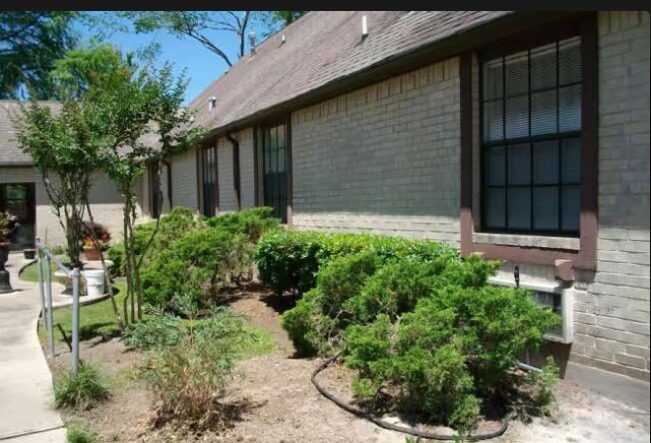
A state license will not tell a family whether a residence feels right, but it gives the search a firm starting point. Texas assisted living regulations define who licenses these settings, what Type A and Type B mean, and when dementia-related advertising calls for state certification. Understanding those boundaries helps adult children and spouses ask clearer questions, especially when a person's needs change at night or during an emergency.
Highlands is an unincorporated community in east Harris County, near Baytown, Crosby and the San Jacinto River. Families often compare options across that area and the greater Houston metro, so it helps to separate state rules, local cost benchmarks and the practices of an individual home.
Texas assisted living regulations begin with licensing
Texas Health and Human Services licenses assisted living facilities under Texas Administrative Code Title 26, Chapter 553. Its assisted living facility guidance is the starting point for license types and dementia-related certification. These rules give families a shared vocabulary, but they do not rank residences or promise that a particular setting can meet every need.
Ask for the name shown on the current license, the license type and a way to verify status with the Texas Health and Human Services Commission, often shortened to HHSC. Keep those details separate from marketing terms such as home-like or personalized, which do not answer the licensing question.
Type A and Type B describe specific needs
A Type A setting is for residents who can evacuate without help, can follow directions in an emergency and do not need routine nighttime attendance. That definition does not mean residents need no assistance at all. It means those specified emergency and nighttime conditions must be considered honestly, including on a difficult day rather than only when someone is feeling well.
A Type B setting may serve residents who need staff help to evacuate, may not follow directions in an emergency and may need nighttime attendance. Type B is not simply a higher or better version of Type A. The useful question is whether the license and actual practices match the person being considered.
Mountbatten House is a small nonprofit assisted living home at 213 Maple St in Highlands, and public listings describe it as Texas Type A. Treat that listing as a starting point, not a permanent guarantee. Confirm the current license, operations and availability directly before making plans; a public listing alone does not establish that a home is accepting residents.
Inspections and complaints require careful reading
A general state guidance page is not a home-specific inspection history. Ask the residence what inspection material is available, then verify with HHSC what is current and public. Read the date and the actual findings rather than treating the mere existence of a report as a conclusion. If a problem was cited, ask what changed afterward and how the change is carried out in daily practice.
Before a visit, ask to review or discuss:
- The current license name and Type A or Type B classification.
- The latest inspection material available, including dates and specific findings.
- The response to any cited problem and what changed afterward.
- The emergency evacuation procedure, using the resident's actual abilities.
- The nighttime routine and the way concerns or complaints are documented.
Raise an immediate concern with the person responsible for the home when it is safe and appropriate, and ask for the response in writing. For a licensing complaint, contact HHSC and ask which intake channel applies. Keep dates and specific observations rather than relying on broad conclusions. The Eldercare Locator from the U.S. Administration for Community Living can also connect families with local Area Agencies on Aging for guidance; it does not replace the state licensing authority.
A home's description of care and support can help frame these questions, but the answers should still be tied to the license and the person's actual needs.
Dementia and memory care claims need a separate check
Texas draws a specific line around dementia-related advertising. Under the Texas Health and Human Services assisted living rules, facilities that advertise care for people with Alzheimer's disease or related disorders must hold an Alzheimer's certification from HHSC. A family should not assume that a general assisted living license, a Type A label or a Type B label answers that separate question.
Mountbatten House is not a dedicated memory care community. Memory care discussion here is educational, not a statement that specialized dementia services are available at the home. For any residence, ask what support, supervision and environment are actually offered, and request certification information when Alzheimer's disease or related disorders are part of its advertised care.
Describe current needs concretely. Explain whether the person can follow emergency directions, needs help leaving a building, requires routine nighttime attendance or needs supervision during daily activities. Ask which needs the residence can support and which would require a different setting. This is more useful than relying on the broad phrase memory care, which can otherwise obscure important differences.
Houston Area costs add context, not a price quote
The CareScout Cost of Care Survey 2025 uses the Houston Area for regional benchmarks relevant to Highlands. Its figures provide a way to frame a budget before asking an individual residence about charges, deposits, included services and possible additional fees.
| Care setting | Monthly | Annual |
|---|---|---|
| Houston Area assisted living, median | $6,395 | $76,740 |
| Texas assisted living, median | $5,666 | $67,992 |
| U.S. assisted living, median | $6,200 | $74,400 |
| Houston Area nursing home, semi-private room | $6,083 | $73,000 |
| Houston Area nursing home, private room | $8,015 | $96,178 |
The Houston Area assisted living median is $729 higher than the Texas median and $195 higher than the national median. CareScout lists non-medical in-home care at $29 per hour and $5,529 per month at 44 hours per week, which is $866 less than the assisted living monthly median. Adult day health care is listed at $90 per day, or $1,950 per month.
Nursing home figures reflect a different care model, not an alternate assisted living price. In the Houston Area, the semi-private monthly figure is $312 less than the assisted living median, while the private-room figure is $1,620 more. None of these survey amounts is a Mountbatten House price. The site's rates page can start a conversation, but families should call the home for current rates and ask exactly what those rates include.
Payment rules are separate from licensing rules
Medicare's long-term care guidance says Medicare does not cover long-term custodial care if that is the only care needed, and most long-term care is custodial. A residence being licensed does not change that coverage rule.
Texas Medicaid's STAR+PLUS Home and Community Based Services program can pay for assisted living services for members who meet nursing facility level of care. The setting must be a licensed assisted living facility contracted with the member's managed care organization. Members pay room and board and any applicable copayment, and interest lists or waitlists may apply. The STAR+PLUS assisted living services handbook directs families to 2-1-1 or the local Area Agency on Aging for help. This does not show that any particular Highlands home participates.
Some wartime-era Veterans and surviving spouses may qualify for VA Aid and Attendance, an increased amount added to a VA pension for people who meet criteria such as needing help with daily activities. According to current VA pension rates, effective December 1, 2025, the maximum annual pension rate with Aid and Attendance is $29,093 for a Veteran with no dependents and $34,488 for a Veteran with one dependent. If countable income were zero, those amounts correspond to maximum monthly figures of $2,424 and $2,874. The net worth limit from December 1, 2025 through November 30, 2026 is $163,699. Pension is the maximum rate minus countable income, and certain unreimbursed medical expenses above the VA threshold can reduce that income. VA also reviews asset transfers and may apply a penalty period. These are not automatic assisted living payments; eligibility needs individual review.
Long-term care insurance can pay for services such as assisted living, depending on the policy. Benefits usually start after an elimination period and when the policyholder needs help with activities of daily living or has cognitive impairment, so the policy itself must be read. Separately, the National Institute on Aging explains respite care as a short-term break for family caregivers, provided in-home, at adult day centers or through short residential stays. Neither possibility establishes that a particular Highlands residence accepts a policy or offers respite.
A practical order for a Highlands decision
Write one page that separates needs, rules and money. List evacuation ability, emergency direction-following, nighttime attendance, daily support and any dementia-related supervision or environmental needs. Then verify the license, read available inspection information, ask about certification when Alzheimer's care is advertised, and confirm which payment sources actually apply. This order keeps an appealing tour or a broad label from carrying more weight than it should.
For Mountbatten House, the documented starting points are its Highlands address, small nonprofit assisted living identity and public Type A listing. Everything time-sensitive remains a direct confirmation: current operations, availability, services and rates. Texas assisted living regulations provide the framework for those questions, while careful answers about an individual's routine provide the context needed to use it well.
Frequently asked questions
Who licenses assisted living facilities serving Highlands, Texas?
Texas Health and Human Services licenses assisted living facilities under Texas Administrative Code Title 26, Chapter 553. Because Highlands is unincorporated, families should start with the state license rather than assume a city designation answers the question. Ask for the facility name shown on the current license, its Type A or Type B classification, and how to verify status with the Texas Health and Human Services Commission. A general marketing description is not a substitute.
Does Type A mean a Highlands resident can never need help?
No. The Type A definition concerns specific conditions: residents can evacuate without help, can follow directions in an emergency, and do not need routine nighttime attendance. It does not mean a person receives no assistance with daily life. A Highlands family should describe evacuation ability, nighttime needs and current routines plainly, then ask whether the residence's license and actual support fit those needs.
Can Mountbatten House be considered dedicated memory care?
No. Mountbatten House is a small nonprofit assisted living home in Highlands, not a dedicated memory care community, and public listings describe it as Texas Type A. Memory care information should therefore be treated as educational. Texas facilities advertising care for people with Alzheimer's disease or related disorders must hold Alzheimer's certification from HHSC. Ask directly about certification where applicable, supervision, environment, nighttime support and emergency evacuation, and confirm current operations and availability.
How do Houston Area costs fit into licensing research?
Cost does not establish whether a residence is properly licensed. CareScout's 2025 survey reports a Houston Area assisted living monthly median of $6,395 and an annual figure of $76,740, compared with Texas medians of $5,666 monthly and $67,992 annually. These are market benchmarks, not Mountbatten House prices. Use them to frame a budget, then call the home for current rates and separately verify licensing, operations and availability.
Can Medicare or Texas Medicaid pay for assisted living near Highlands?
Medicare does not cover long-term custodial care when that is the only care needed. Texas Medicaid's STAR+PLUS Home and Community Based Services program can pay for assisted living services for eligible members who meet nursing facility level of care, but the facility must be licensed and contracted with the member's managed care organization. Members pay room and board and any applicable copayment. Waitlists may apply, and participation by any Highlands residence should not be assumed.
Talk with Mountbatten House
If you are weighing care options in Highlands, call (346) 466-0131 or plan a visit. Our team can talk through current availability, rates and next steps. Please confirm all details directly, since published figures and listings change over time.
Sources
- CareScout Cost of Care Survey 2025
- VA Aid and Attendance and Housebound benefits
- VA pension rates (current)
- Medicare: long-term care coverage
- Eldercare Locator (U.S. Administration for Community Living)
- National Institute on Aging: What is respite care?
- ACL: What is long-term care insurance
- Texas HHS: Assisted Living Facilities (ALF)
- Texas HHS STAR+PLUS Handbook 7200: Assisted Living Services
Cost figures are 2025 medians from the CareScout Cost of Care Survey and are not quotes for Mountbatten House. Program rules and benefit amounts were checked on the linked official pages in November 2026 and can change.