Respite Care in Highlands, TX: Short-Term Support for Family Caregivers
Respite care can give family caregivers time to rest while a loved one receives short-term support at home, in an adult day program, or in a residential setting.
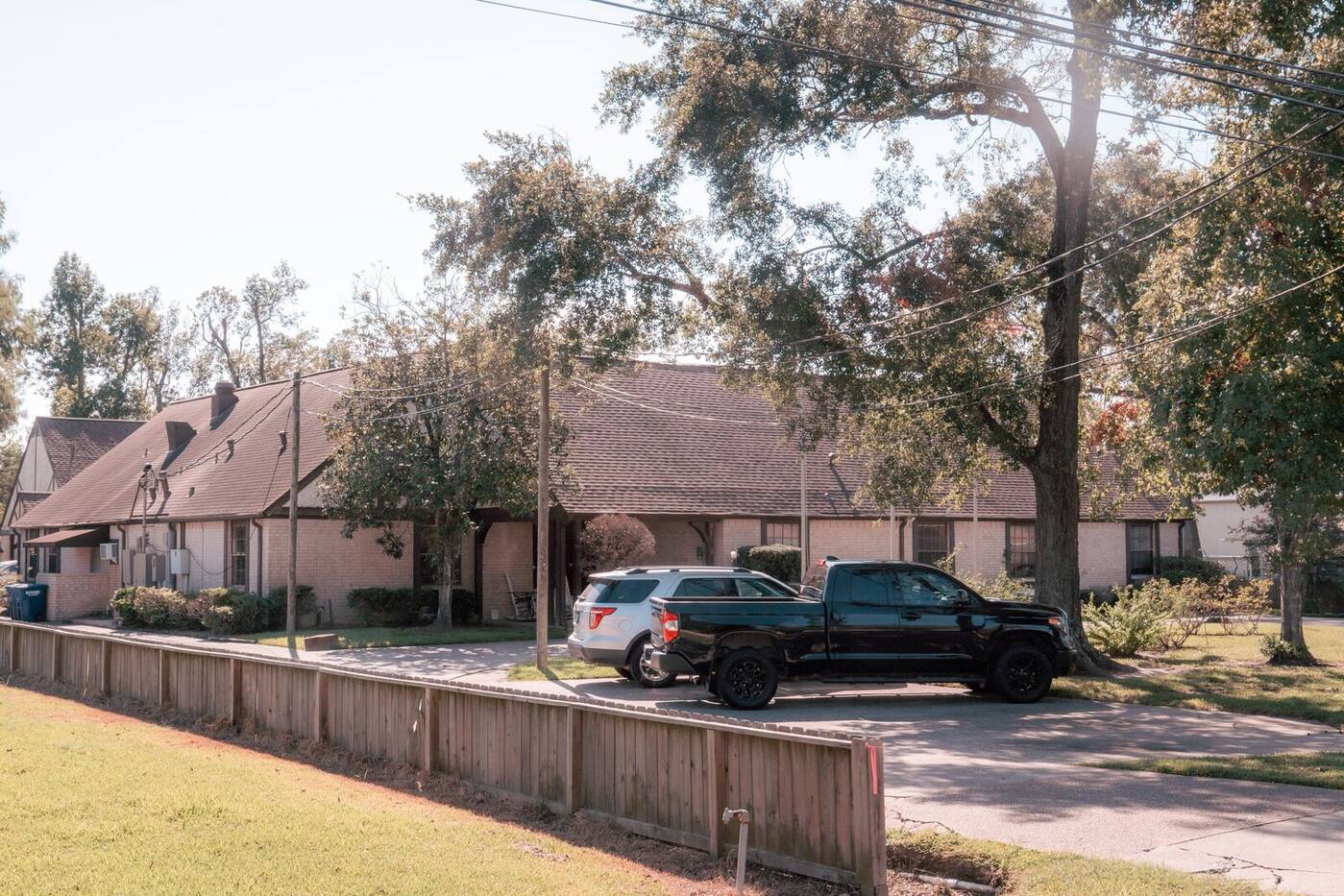
For families researching respite care in Highlands TX, the immediate question is often practical: who can spend time with an older adult while the usual caregiver rests, works, travels, or tends to health appointments? Respite is a temporary arrangement, not a single building type or a promise of medical improvement. It can last part of a day or involve an overnight stay, depending on the provider. The useful starting point is to match the person’s routines, supervision needs, and ability to evacuate with a setting that can safely support them.
Highlands is in east Harris County, near Baytown, Crosby, Channelview, and the San Jacinto River, so a search may extend across the Houston metro. Travel time still matters when a caregiver is already stretched. Before comparing prices, write down the hours or nights needed, the help required, and how transportation and handoffs will work.
What respite care means for Highlands families
The National Institute on Aging’s explanation of respite care describes it as short-term relief for a family caregiver. It may take place in the home, at an adult day center, or during a short stay in a residential facility. The defining feature is temporary relief for the caregiver while another person or program provides agreed support. It is separate from a permanent move, although a planned stay can help a family understand a different care routine.
Respite can be scheduled regularly or arranged for a particular absence. It does not have to signal that a caregiver has failed or that a permanent placement is inevitable. Clear instructions about meals, mobility, communication, sleep, and personal preferences help the temporary caregiver provide consistent support.
Three ways to arrange short-term support
The right format depends on the older adult’s needs, the caregiver’s reason for seeking relief, and the hours that must be covered. Each option requires a different set of practical questions.
In-home respite
A paid caregiver or another approved helper comes to the person’s home. This preserves familiar surroundings and can cover companionship, personal care, meal preparation, or supervision, depending on the arrangement. Families should ask about minimum visits, backup coverage, overnight procedures, and exactly which tasks the caregiver can perform.
Adult day support
An adult day program provides support during its operating hours while the person continues to sleep at home. Ask about transportation, meals, personal care, accessibility, activity choices, and supervision for someone who may become confused. Program hours should be checked against work schedules and travel time from Highlands.
A short residential stay
Some residential settings may offer temporary stays, but this should never be assumed. Ask whether short stays are available, whether an assessment is required, and how room, board, personal care, medication routines, laundry, and overnight supervision are handled. Also confirm arrival and departure times, minimum stay requirements, cancellation terms, and what happens if the person’s needs exceed the setting’s capabilities.
Respite care in Highlands TX: local cost benchmarks
CareScout’s Cost of Care Survey 2025, based on data collected from July through November 2025, uses the Houston Area for Highlands. Its figures are regional planning benchmarks, not quotes from a Highlands provider. They show why the schedule matters: intermittent daytime support, regular part-time home care, and continuous hourly coverage are very different commitments.
| Care arrangement | CareScout rate or monthly figure |
|---|---|
| Adult day health care | $90 daily; $1,950 monthly |
| Non-medical in-home caregiver | $29 hourly |
| In-home care at 20 hours per week | $2,513 monthly |
| In-home care at 44 hours per week | $5,529 monthly |
| In-home care at 168 hours per week | $21,112 monthly |
The $2,513 monthly illustration uses 20 hours of care each week, while $5,529 uses CareScout’s 44-hour standard. The $21,112 illustration applies the hourly rate across 168 hours each week; it does not mean one caregiver works continuously or that every agency bills this way. The adult day figures do not establish a provider’s minimum enrollment, transportation charge, or local availability.
Before booking, request a written schedule and an explanation of deposits, hourly minimums, assessments, supplies, transportation, and cancellation charges. A daily or hourly benchmark cannot show the full invoice without those details.
How assisted living costs fit into the comparison
For a longer comparison, the same CareScout cost survey lists Houston Area assisted living at a monthly median of $6,395 and an annual figure of $76,740. In-home care at 44 hours per week is listed at $5,529 monthly; the assisted living monthly median is $866 higher. These are not equivalent bundles: housing, meals, home maintenance, caregiving hours, and other expenses may be distributed differently.
The Texas statewide assisted living median is $5,666 monthly and $67,992 annually. The national median is $6,200 monthly and $74,400 annually. Houston’s monthly median is $729 higher than the statewide figure and $195 higher than the national figure. None of these amounts is a short-stay quote or a rate for Mountbatten House.
What Medicare, Medicaid, and other funding may mean
Medicare
Medicare’s long-term care coverage guidance says Medicare does not cover long-term custodial care when that is the only care needed, and most long-term care is custodial. A family should not assume that a short stay is covered merely because it gives the caregiver a break. Ask the provider and the person’s plan to explain any proposed coverage in writing.
Texas STAR+PLUS
The Texas HHS STAR+PLUS assisted living services handbook says the Home and Community Based Services program can pay for assisted living services for members who meet nursing facility level of care, in a licensed assisted living facility contracted with the member’s managed care organization. Members pay room and board and any applicable copayment. Interest lists or waitlists may apply.
That provision does not, by itself, establish coverage for a standalone respite stay, adult day respite, or a stay at a particular Highlands home. Eligibility and authorization should be confirmed with the member’s managed care organization or case manager. The Eldercare Locator can also connect families with the local Area Agency on Aging for guidance.
VA benefits and insurance
VA Aid and Attendance can increase a pension for qualifying wartime-era Veterans or surviving spouses who meet specified needs, including requiring help with daily activities. It is not an automatic respite benefit. The VA pension rate guidance explains that income, net worth, and other rules affect eligibility and payment.
Long-term care insurance may pay for assisted living or other services, depending on the policy. Benefits commonly depend on an elimination period and triggers involving daily activities or cognitive impairment. Ask the insurer whether the planned setting and length of stay qualify rather than relying on a general policy summary.
Check licensing, supervision, and fit before a stay
Mountbatten House is a small nonprofit assisted living home in Highlands and is described in public listings as a Texas Type A assisted living facility. It is not a dedicated memory care community. That description does not confirm that respite stays are offered, that the home is accepting residents, or that space is available. Families should ask about short stays, current operations, availability, and current rates when they call.
Texas Health and Human Services’ assisted living guidance explains that Type A residents can evacuate without help, follow emergency directions, and do not need routine nighttime attendance. Type B residents may need staff assistance to evacuate, may not follow emergency directions, and may need nighttime attendance. A temporary guest’s needs must fit the license and the support actually available.
Facilities advertising care for people with Alzheimer’s disease or related disorders must hold the required state certification. For someone living with dementia, ask specific questions about supervision, daily structure, communication, and the environment. The home’s care and support information can inform that discussion, but direct confirmation remains important.
Preparing for a first short stay
Preparation should make the handoff understandable to someone who does not know the older adult’s habits. A concise written summary is usually more useful than a long account delivered only during arrival. A checklist of family questions can help organize the conversation.
- Define the arrangement. Confirm dates, arrival and departure times, transportation, the caregiver’s goal for the break, and who is authorized to change the plan.
- Describe the daily routine. Include waking and sleeping patterns, food preferences, toileting, bathing, communication, mobility, calming approaches, and activities the person enjoys.
- Clarify health-related instructions. Provide the requested medication and allergy information, prescriber contacts, and details about mobility aids. Ask how the setting wants medications packaged and documented.
- Explain supervision needs. Be direct about walking, transfers, nighttime waking, exit-seeking, emergency directions, and any help needed to evacuate.
- Set communication expectations. Identify emergency contacts and decision-makers, and ask who will call, under what circumstances, and how routine updates will be handled.
- Pack and review. Bring requested clothing, supplies, and familiar labeled items while following the provider’s guidance on valuables. At departure, discuss which instructions worked and what should be clarified next time.
A brief visit before the stay, when available, can also give everyone a chance to review entrances, dining arrangements, bathrooms, and the room or program space without rushing through the handoff.
Use the first arrangement as practical information
For respite care in Highlands, TX, a useful plan states who provides support, when it begins and ends, what it costs, and which needs would require a different setting. The Alzheimer’s Association’s respite guidance is another resource for caregivers considering these arrangements. Clear notes and a direct handoff give families a sounder basis for deciding whether to repeat, adjust, or replace the arrangement.
Frequently asked questions
Does Mountbatten House offer respite stays in Highlands?
Mountbatten House is a small nonprofit assisted living home in Highlands, listed as a Texas Type A facility. Its public information does not establish that respite stays are available or that it is accepting residents. Families should call to ask about current operations, short-stay options, availability, services, and current rates. They should also confirm whether Type A evacuation and nighttime requirements fit the person’s needs.
How does adult day support differ from residential respite near Highlands?
Adult day support covers agreed program hours, with the older adult returning home afterward. Residential respite involves staying overnight in a setting that agrees to provide temporary accommodation and support. For either option near Highlands, ask about transportation, meals, personal care, supervision, operating hours, accessibility, and emergency procedures. A residential provider should also explain overnight staffing, arrival and departure requirements, and any assessment or minimum-stay rules.
Does Texas STAR+PLUS pay for respite care in Highlands?
The STAR+PLUS assisted living provision describes payment for assisted living services for eligible members who meet nursing facility level of care and use an appropriately licensed, contracted facility. It does not by itself guarantee payment for a standalone respite stay in Highlands. Members remain responsible for room and board and any applicable copayment. A case manager or managed care organization should confirm eligibility, authorization, provider participation, and whether the proposed arrangement qualifies.
Will Medicare pay for a short respite stay near Highlands?
Medicare does not cover long-term custodial care when that is the only care needed. A short stay should not be assumed to be covered simply because it gives a family caregiver a break. Before arranging respite near Highlands, ask the provider and the person’s plan to explain coverage for the specific service and dates. Families may also need to explore private payment, insurance, VA eligibility, or community assistance.
What should a caregiver prepare for a first short stay in east Harris County?
Prepare a concise routine covering meals, sleep, mobility, toileting, communication, personal preferences, and calming approaches. Supply the medication, allergy, and contact information requested by the provider, along with emergency contacts and decision-makers. Explain nighttime supervision and evacuation needs plainly. Confirm transportation, arrival and departure times, packing requirements, and update procedures. For travel from Highlands or elsewhere in east Harris County, allow enough time for an unhurried handoff.
Talk with Mountbatten House
If you are weighing care options in Highlands, call (346) 466-0131 or plan a visit. Our team can talk through current availability, rates and next steps. Please confirm all details directly, since published figures and listings change over time.
Sources
- CareScout Cost of Care Survey 2025
- VA Aid and Attendance and Housebound benefits
- VA pension rates (current)
- Medicare: long-term care coverage
- Eldercare Locator (U.S. Administration for Community Living)
- National Institute on Aging: What is respite care?
- Alzheimer's Association: respite care
- ACL: What is long-term care insurance
- Texas HHS: Assisted Living Facilities (ALF)
- Texas HHS STAR+PLUS Handbook 7200: Assisted Living Services
Cost figures are 2025 medians from the CareScout Cost of Care Survey and are not quotes for Mountbatten House. Program rules and benefit amounts were checked on the linked official pages in November 2026 and can change.